Online reputation management (ORM) builds a stronger Google presence by auditing what already ranks, publishing content you control, earning PR coverage, keeping profiles consistent, and handling negative content case by case. It can sometimes help remove negative Google results, but not always, and any agency promising guaranteed removal isn’t being honest with you.
What shows up when someone searches your name or business shapes their opinion before they visit your site or talk to your team. A strong search presence builds trust. Outdated or negative results chip away at it.
No legitimate service can promise a negative result simply disappears. But a solid ORM strategy can help remove negative Google results where that’s actually possible, correct inaccurate information, and build content strong enough to outrank whatever’s causing concern.
What Is Online Reputation Management?
ORM is the ongoing work of monitoring and shaping how a person or brand appears online. That usually includes:
- Monitoring Google results and mentions
- Managing reviews and feedback
- Creating authoritative website content
- Building PR and earned media coverage
- Keeping social profiles current
- Correcting outdated or inaccurate information
- Publishing content around branded search terms
This isn’t about faking a spotless record. It’s making sure what people find actually reflects the brand today.
Can ORM Remove Negative Google Results?
Sometimes.
Google doesn’t offer a general “delete this because we don’t like it” option. Removal usually only happens when content breaches Google’s policies, involves certain personal information, or the site owner agrees to take it down.
When none of that applies, ORM shifts strategy: instead of chasing removal of one page, the work goes into strengthening everything around it, so the negative result stops being the only thing people see. Be skeptical of anyone guaranteeing they can remove negative Google results across the board, that’s not realistic.
How Do You Build a Positive Search Presence?
Start with an honest audit. Search your own name or business the way a stranger would, and sort what comes up, positive, negative, outdated, irrelevant. Check news, reviews, social profiles and listings too, not just the top few links.
Build content you control. Your own website, service pages, founder profiles, case studies, FAQs, is content you fully own. It should answer real questions, not just repeat your brand name. Built up over time, this becomes one of your strongest search assets.
Earn PR and media coverage. Interviews, features, expert commentary and podcasts create third-party pages referencing your brand, pages that carry more weight because you didn’t write them yourself. This is where PR and ORM overlap directly.
Keep profiles consistent. LinkedIn, Instagram, directories, listings, whatever matters for your business, keep it accurate. A consistent presence across credible sites fills out the picture instead of leaving one outdated page to speak for you.
Handle negative content case by case. Inaccurate information can often be corrected directly with the publisher. Content breaching platform policies may qualify for formal removal. Legitimate criticism, though, usually isn’t worth trying to bury — responding professionally and fixing the underlying issue tends to work better long-term than suppression.
Why Work With an Online Reputation Management Agency?
Once negative results spread across multiple sites and search terms, managing it all yourself gets complicated fast. An online reputation management agency can run the audit, flag real risks, build content and PR strategy, and track changes over time, instead of handling it piecemeal.
A good agency is also upfront about its limits. Rankings shift, algorithms change, and no ethical ORM professional can promise a specific page gets removed or stays off page one forever.
The Real Goal
A positive Google presence isn’t built overnight, and it isn’t built by hiding anything. It comes from publishing useful content, earning credible mentions, keeping profiles accurate, and handling negative content the right way rather than the fastest way.
Done properly, ORM doesn’t erase your history, it makes sure the most accurate, current version of your reputation is what people actually find.
Frequently Asked Questions
Can you pay Google to remove a result?
No. Some content qualifies for removal under specific policies, but there’s no general paid option.
How long does ORM take?
Usually months, not days, new content needs time to rank, and PR coverage takes time to build up.
Is ORM the same as SEO?
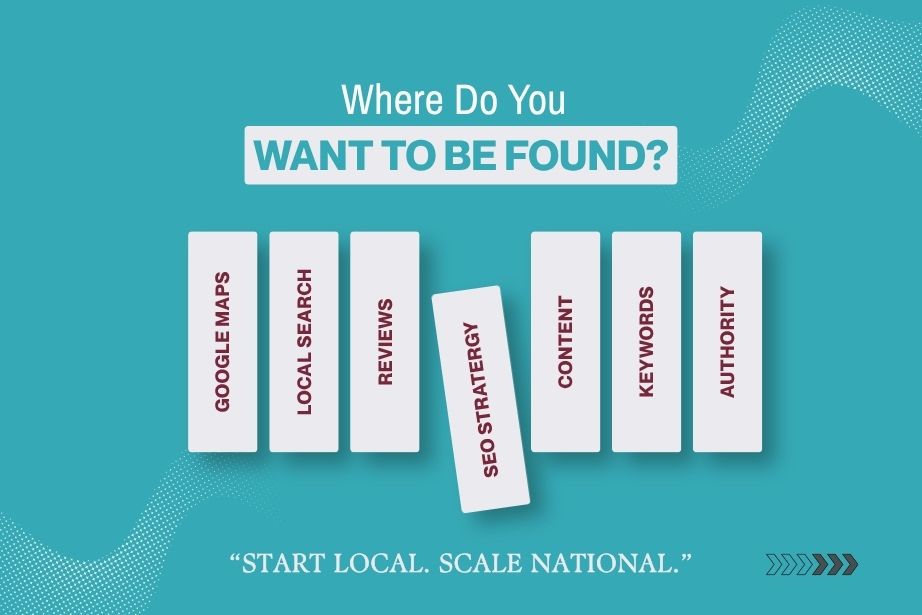
They overlap but aren’t identical. SEO focuses on ranking specific pages; ORM focuses on the overall search picture for a name or brand.